For years, in-car AI has felt like a gimmick—good for setting reminders or changing playlists, rarely smart enough to matter. At CES, Ford Motor Company made a clear argument that this era is over.
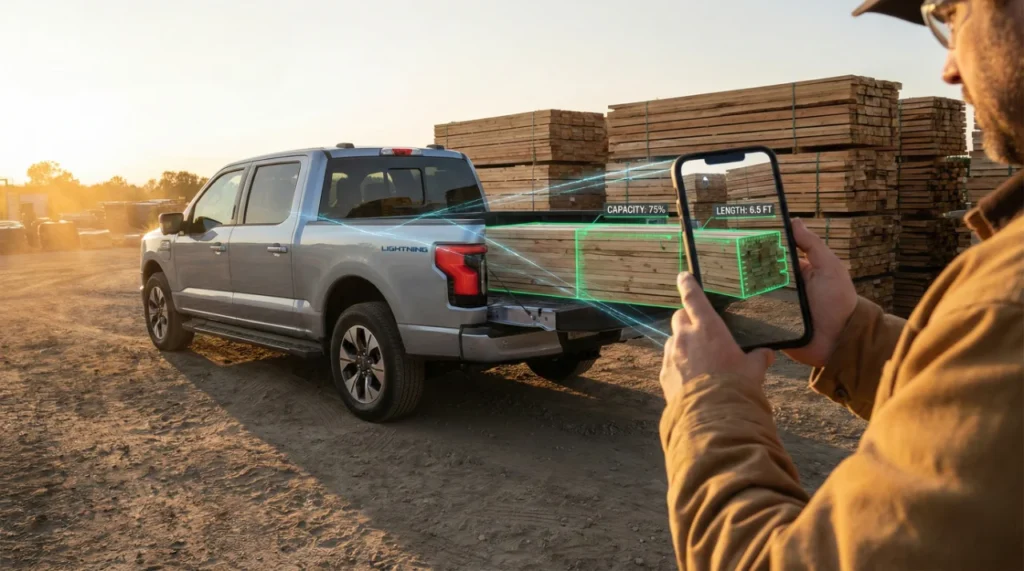
The company unveiled a new AI assistant designed to understand not just drivers, but their exact vehicles. Ford’s pitch is simple but ambitious: AI shouldn’t be generic. It should know the size of your truck bed, the way you use your vehicle, and what you’re trying to get done—before you ask.
From Internet Moments to AI Momentum
Ford’s leadership framed the launch as a turning point similar to the early internet boom—when technology stopped being something you visited and started becoming something you relied on.
This time, the shift isn’t about connectivity. It’s about cognition.
Instead of treating AI as a bolt-on feature, Ford wants it embedded as an always-on layer of intelligence across ownership, driving, and everyday tasks.
Why Today’s In-Car AI Feels Broken
Most automotive AI systems still operate in silos. Navigation lives in one system. Vehicle manuals live in another. Voice assistants answer questions, but rarely understand the car itself.
Ford’s criticism is blunt: generic AI doesn’t work well in a world of highly specific machines.
Vehicles are physical objects with constraints—payload limits, bed lengths, towing capacities. AI that ignores those details feels detached from reality.
An Assistant That Knows Your Vehicle
Ford’s new assistant is built around vehicle-specific knowledge. It understands:
- Your exact model and configuration
- Physical capabilities like cargo space
- How you typically use the vehicle
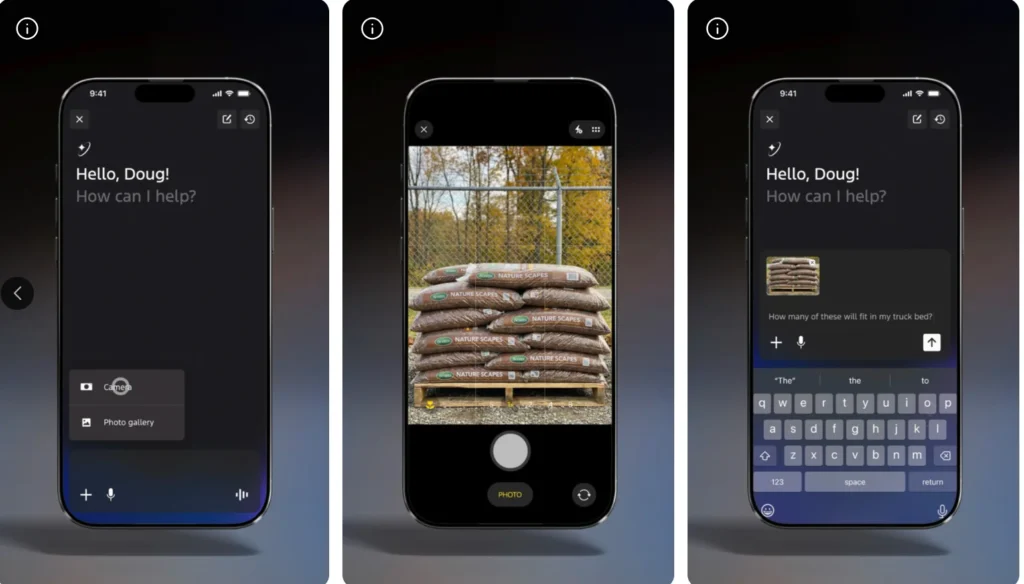
One example Ford highlighted: snapping a photo of firewood at a lumber yard and asking how much will fit in your truck. The assistant estimates volume and translates it into real capacity based on your truck’s dimensions—not averages, not guesses.
That’s the difference Ford is betting on.
App First, Not Luxury First
Unlike many advanced automotive features, this AI isn’t locked behind a new-car purchase.
Ford says the assistant will begin rolling out in the first half of 2026 through the Ford and Lincoln Motor Company mobile apps, potentially reaching up to eight million existing customers.
The strategy is deliberate. An app-first approach lets Ford ship intelligence faster—and avoids making AI another premium-only perk.
The Dashboard Is Next
The phone is just the starting point.
By 2027, Ford plans to integrate the assistant directly into vehicle dashboards. This won’t be screen mirroring. It’s meant to be deeply embedded into the driving experience, with access to real-time vehicle data and contextual awareness.
The idea is continuity: what the assistant knows when you’re away from the car, it knows when you’re behind the wheel.
Why This Matters for the Industry
Automakers have spent the last decade adding screens. Ford’s move suggests the next competition will be about intelligence—how well a system understands the vehicle itself.
If Ford’s approach works, it could pressure rivals to rethink generic assistants and push the industry toward AI that’s practical, not performative.
This isn’t about chatbots in cars. It’s about cars that finally understand themselves.
What to Watch Next
Ford says a separate, purpose-built AI assistant for commercial customers is coming, though details remain limited. The real test will be how well this system performs outside demos—handling edge cases, accuracy, and trust at scale.
Execution will determine whether this becomes a new standard or just another ambitious experiment.
Conclusion
Ford isn’t trying to make cars talk more. It’s trying to make them think better.
If successful, this could mark the moment automotive AI stops feeling like software—and starts feeling like infrastructure.