AI filmmaking just crossed a line it won’t be able to uncross.
At the recent 1 Billion Followers Summit, one short film stood out from more than 3,500 global submissions to win the inaugural Global AI Film Award—and a $1 million prize. The winner, Lily, signals a shift in how artificial intelligence is moving from experimental novelty to serious creative infrastructure.
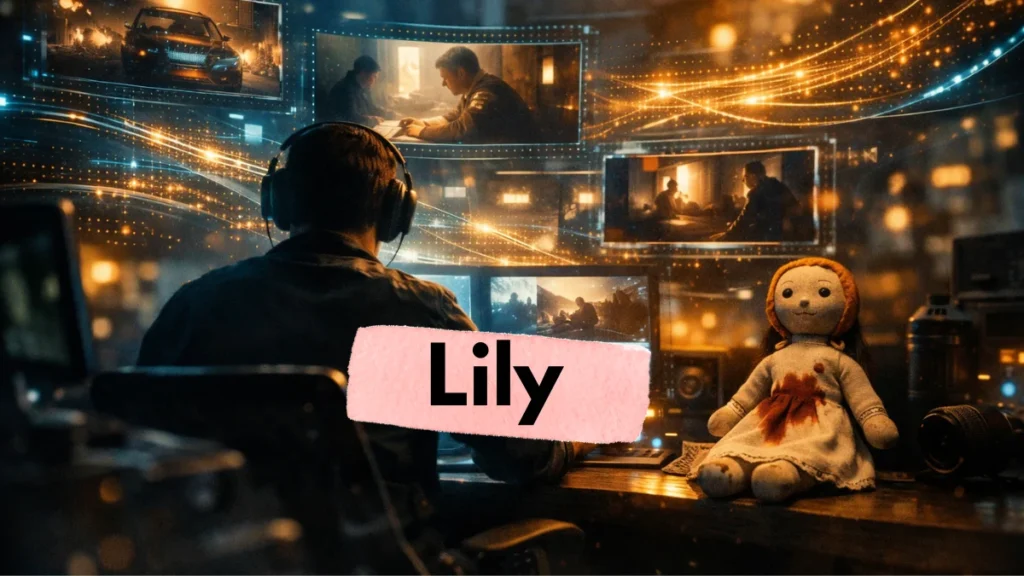
The film was created by Zoubeir ElJlassi, a graphic designer and filmmaker from Tunisia. His work tells a restrained, atmospheric story about an archivist whose quiet routine collapses after encountering an object tied to a hit-and-run accident. The premise is simple. The execution is not.
What impressed judges wasn’t visual spectacle—it was control. Lily uses AI sparingly, almost invisibly, to support tone, pacing, and emotion. In a competition filled with technical ambition, ElJlassi’s film felt confident enough to slow down.
AI as a Creative Partner, Not the Star
The Global AI Film Award was launched last year with a clear thesis: AI doesn’t replace filmmakers—it expands what small teams and solo creators can realistically produce. Lily became the cleanest demonstration of that idea.
ElJlassi built the film using a suite of tools from Google, including its video generation and creative AI models. These tools handled everything from maintaining visual consistency to helping shape characters and scenes—tasks that typically demand large crews or big budgets.
The result feels less like a tech demo and more like a traditional short film that happens to be AI-assisted. That distinction matters.
Why This Win Stands Out
AI-generated content has flooded the internet over the past year, but much of it leans toward spectacle over substance. Lily cuts in the opposite direction. It’s quiet. It’s uncomfortable. And it trusts the audience.
That restraint helped it rise above finalists from the U.S., South Korea, Egypt, the Philippines, and beyond—each exploring themes around memory, technology, and emotional connection. The diversity of the shortlist underscored a larger point: AI cinema isn’t forming in one country or one industry bubble. It’s emerging everywhere at once.
The Bigger Signal for Creators
This award isn’t just about a trophy or a check.
For independent filmmakers—especially those outside traditional film markets—the win represents validation. AI tools are lowering the cost of experimentation while widening access to cinematic language once reserved for studios.
The fact that a Tunisian creator took the top prize at a global summit sends a clear message: geography is becoming less relevant than vision.
What Comes Next
Organizers say the AI Film Award will return, likely with expanded categories and broader participation. That suggests this wasn’t a one-off showcase—it was a test run.
If Lily is any indication, the next wave of AI films won’t be louder or faster. They’ll be sharper, more intentional, and harder to dismiss.
AI filmmaking has officially moved from “interesting” to “unavoidable.”