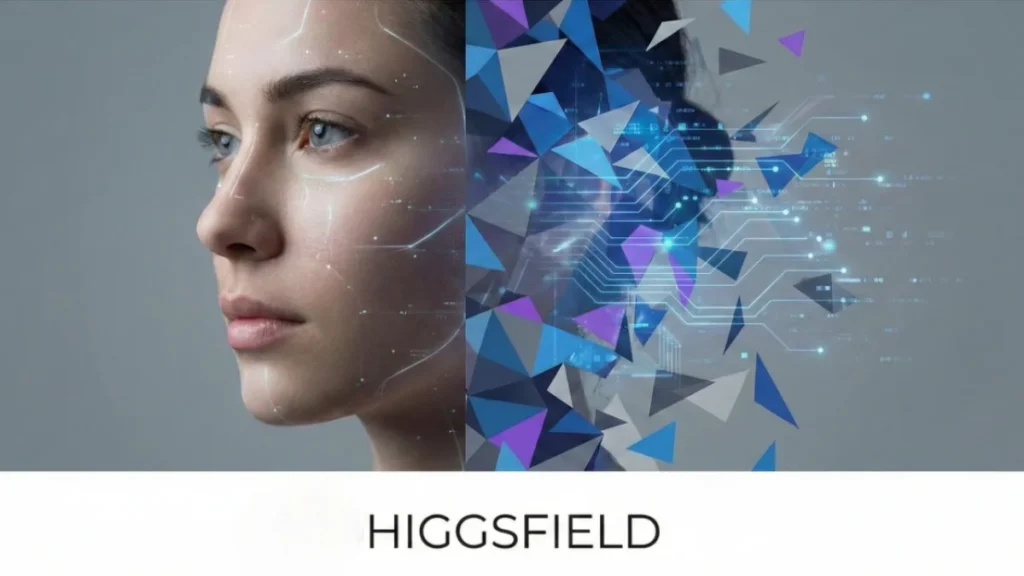
A San Francisco startup wants to turn anyone into a lifelike digital influencer—no camera, no studio, no human required.
This week, Higgsfield AI rolled out a browser-based tool that lets users create photorealistic digital personas and animate them into short videos designed for social platforms. The launch highlights just how fast AI-generated identity is moving from novelty to mainstream content engine.
What Higgsfield Just Launched
Higgsfield’s new tool is free to start and runs entirely in the browser. Users generate a “master image”—a consistent digital character—and then animate it into up to 30-second HD clips using motion templates or reference videos.
The company says its system supports more than a trillion customization combinations, spanning ethnicity, facial structure, scars, tattoos, age, and even fantasy-inspired hybrids. The goal is realism first, speed second.
Content is optimized for platforms like TikTok and Instagram, where frequent posting and visual consistency often matter more than production polish.
Why Creators Are Paying Attention
For creators and small brands, the appeal is obvious.
Instead of shooting new footage every day, a single digital persona can generate weeks of content in a few hours. That’s especially attractive for social-first businesses, meme accounts, and marketers experimenting with AI-native storytelling.
Pricing starts at $9 per month for additional generation credits, placing Higgsfield far below the cost of traditional photo shoots, actors, or CGI pipelines.
But the Realism Raises Red Flags
The same features that excite creators are also what worry critics.
As AI-generated faces become harder to distinguish from real people, concerns around scams, impersonation, and synthetic spam grow louder. Commentators in the digital media space have warned that hyper-realistic influencers could be used to sell fake products, manipulate audiences, or flood platforms with low-cost, high-volume content.
Unlike clearly stylized virtual influencers, Higgsfield’s outputs aim to pass as real—at least at a glance.
A Broader Shift in Synthetic Media
Higgsfield isn’t operating in a vacuum.
Across the industry, AI avatars are moving beyond gaming and into advertising, customer service, and entertainment. What’s different now is accessibility. Tools like this remove technical barriers, putting realistic digital humans into the hands of anyone with a browser and a credit card.
That shift puts pressure on platforms to rethink disclosure rules and detection systems—especially as election cycles, advertising, and influencer marketing collide.
What This Means for Human Creators
The uncomfortable question is whether tools like Higgsfield replace people—or simply change the job.
Supporters argue AI influencers will coexist with human ones, acting as creative extensions rather than substitutes. Skeptics see a race to the bottom, where brands choose infinite, tireless digital faces over real talent.
The outcome likely depends on how audiences respond—and whether authenticity still holds value when realism can be generated on demand.
What Happens Next
Higgsfield is entering a crowded and fast-moving market, competing with AI avatar startups, enterprise video tools, and game-engine-based creators. Its advantage lies in realism and simplicity.
If adoption accelerates, expect tougher conversations around labeling, platform policies, and the definition of what counts as “real” online.
Conclusion
Higgsfield AI’s new tool makes hyper-realistic digital influencers cheap, fast, and accessible. That’s a technical milestone—and a cultural stress test. The technology is ready. The internet may not be.